
Workforce for infrastructure projects
Rail, road, energy and utility projects need dozens of people at once — and the local labour market simply does not hold that many plant operators. We supply heavy equipment operators, mechanical fitters and general labour on our own Latvian employment contracts, taking full legal responsibility for the employment process.
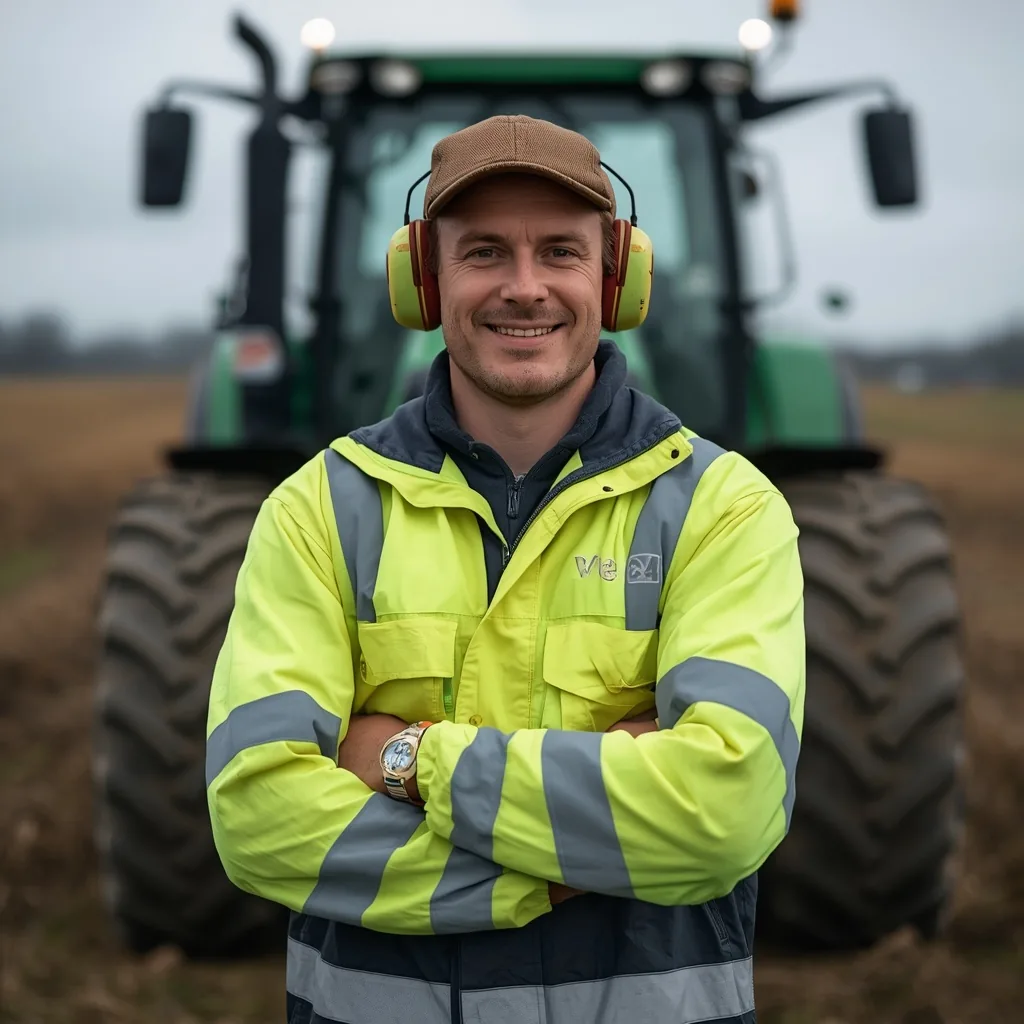
Roles we supply
Heavy equipment operators
- Excavator operators (tracked and wheeled)
- Articulated dumptruck (ADT) drivers
- Dozer operators
- Roller and grader operators
- Front loader and telehandler operators
Technical support staff
- Mechanical fitters (on-site plant maintenance)
- Assistant fitters
- Welders (repairs, structures)
- Electricians and utility installers
Construction personnel
- Steel fixers and concrete workers
- General construction workers
- Site labourers
- Banksmen and traffic marshals
Verification of requirements
We supply only workers holding valid driving licences and machine-operation certificates. Exact categories are agreed before selection starts, and documents are submitted for your review before anyone travels.
Phased mobilisation — how volume is built
A large team cannot (and should not) be mobilised in a single delivery. We split it into waves: each wave runs its own vacancy, invitation and visa cycle, and you see how the team performs before the next group arrives.
Project specification
We define the roles, headcount, equipment types, licence categories, shift pattern, accommodation responsibility and mobilisation schedule, then prepare a rate calculation for each role.
Pilot group
A first small group (typically 10–15 people) starts on site. This confirms that qualifications match real conditions and lets us refine the profile for later waves — with minimal risk on both sides.
Scaling up
Once the pilot group is confirmed, we mobilise 15–30 people per month. Each wave is timed so the site always has the right headcount — without idle time and without overloading accommodation.
Retention and replacement
On multi-year projects some people will move on. Replacements are planned in advance so the site is never left without an operator — the replacement guarantee is included in the rate.
Rates and division of responsibility
| Category | Rate €/h all-inclusive | Lead time |
|---|---|---|
| Heavy equipment operator (excavator, dozer, grader) | €19.00 – 24.00/h | ~3–4 weeks (BR/CO) |
| Dumptruck driver, roller operator | €18.00 – 21.00/h | ~3–4 weeks (BR/CO) |
| Mechanical fitter (on-site plant maintenance) | €19.50 – 24.00/h | ~3–4 weeks / 2–3 months |
| Assistant fitter, general labourer | €17.00 – 19.50/h | ~3–4 weeks (BR/CO) |
The exact rate depends on qualification, volume and project duration — large, long-term projects are priced lower. For engagements beyond 8 months we can usually offer a 5–8% reduction.
Our responsibility
- Employment contracts and payroll
- Social contributions and all employer taxes
- D-type visas and residence permits
- Health insurance
- Documentation and labour-inspectorate compliance
- Replacement guarantee
Client responsibility
- Equipment and its maintenance
- Day-to-day supervision and task planning on site
- Site safety induction
- PPE and workwear
- Accommodation (or agreed separately)
Why infrastructure projects suit our model
Work in Latvia — a simple legal framework
Workers are employed in Latvia on Latvian contracts. No posting of workers, no A1 certificates, no host-country remuneration rules — the process is faster and cheaper than cross-border arrangements.
A registered, verifiable supplier
SIA "Las Palmas" has operated since 2017 and holds work placement licence No. 47/2024 from the Latvian State Employment Agency, valid to 29.05.2027. On large publicly funded projects supplier compliance is scrutinised — our documentation stands up to it.
Long projects mean better economics
Multi-year projects are our most efficient format: mobilisation costs amortise, workers learn the site, and rates are lower than on short-term placements.
Multiple sourcing channels
We work with partners in Brazil and Colombia (visa-free entry — fast mobilisation) and in India, Nepal and the Philippines (technical trades). Multiple channels mean volume does not depend on a single source.
Frequently asked questions
How many workers can you supply for one project?
How far in advance should planning start?
What is your responsibility and what is the client's?
Do the workers hold machine operating licences?
Planning a large project?
Send us the list of roles, headcount and target mobilisation date — we will prepare a rate calculation and a realistic mobilisation schedule.